Why Quality Sleep Is More Important Than Quantit
When people talk about getting healthy, the conversation almost always turns to one familiar recommendation: "Get eight hours of sleep."
But what if sleeping eight hours isn't enough?
Imagine two people. One sleeps for nine hours but wakes up exhausted every morning. The other sleeps just over seven hours and wakes up feeling energetic, focused, and refreshed.
Who is actually getting better sleep?
The answer surprises many people.
Modern sleep science suggests that sleep quality often matters more than sleep quantity. While getting enough sleep remains essential, what happens during those hours is even more important than the number shown on the clock.
Your brain doesn't simply "turn off" while you sleep. Every night it performs an extraordinary series of biological processes that influence memory, hormone production, immune function, emotional health, metabolism, cardiovascular health, and even how quickly your body ages.
If those processes are interrupted, sleeping longer may not solve the problem.
Table of Contents
- Sleep Quantity vs Sleep Quality
- Why We Often Misunderstand Good Sleep
- What Happens While You Sleep?
- The Four Stages of Sleep
- Deep Sleep vs REM Sleep
- Why Sleep Architecture Matters
- A Tool That Helps Improve Sleep Quality
Sleep Quantity vs Sleep Quality
Sleep quantity refers to the total number of hours you spend asleep.
Sleep quality describes how effectively your body completes the natural sleep cycles that allow physical and mental recovery.
You may spend nine hours in bed yet receive very little restorative sleep if your night is repeatedly interrupted.
Likewise, someone sleeping seven and a half uninterrupted hours may experience significantly better recovery because their sleep cycles remain intact.
Spending more time inside a gym doesn't automatically make you stronger. The quality of your workout matters far more than simply staying in the building longer.
Why We Often Misunderstand Good Sleep
Many people judge sleep by only one question:
"How many hours did I sleep?"
Unfortunately, the answer tells only part of the story.
Researchers now evaluate sleep quality using several factors including:
- How quickly you fall asleep.
- How often you wake during the night.
- Time spent in deep sleep.
- Time spent in REM sleep.
- Sleep efficiency.
- Morning alertness.
Together, these measurements provide a much more accurate picture of your nightly recovery.
Sleep efficiency—the percentage of time actually spent sleeping while in bed—is considered one of the most useful indicators of healthy sleep.
What Happens While You Sleep?
Sleep is one of the most biologically active periods of the day.
During the night your body:
- Repairs damaged tissues.
- Releases growth hormone.
- Strengthens immune defenses.
- Processes memories.
- Removes metabolic waste from the brain.
- Balances important hormones.
- Restores energy stores.
None of these processes happen equally throughout the night.
Different stages of sleep specialize in different recovery functions.
The Four Stages of Sleep
Healthy sleep consists of repeating cycles lasting approximately 90 minutes.
Each cycle contains several stages.
Stage N1
This is the transition between wakefulness and sleep.
Your muscles begin relaxing while brain activity slows.
Stage N2
This stage occupies nearly half of a typical night's sleep.
Body temperature decreases.
Heart rate slows.
The brain begins organizing newly learned information.
Stage N3 (Deep Sleep)
This is often called slow-wave sleep.
Deep sleep supports:
- Physical recovery
- Immune function
- Tissue repair
- Growth hormone release
- Energy restoration
Being awakened during deep sleep often produces intense grogginess.
REM Sleep
Rapid Eye Movement (REM) sleep is strongly associated with:
- Learning
- Creativity
- Memory consolidation
- Emotional processing
- Problem solving
Most vivid dreaming occurs during REM sleep.
A healthy night depends on experiencing multiple complete sleep cycles—not simply remaining asleep for a certain number of hours.
Deep Sleep vs REM Sleep
Many people believe one sleep stage is more important than another.
Scientists disagree.
Deep sleep and REM sleep perform different but equally essential functions.
| Deep Sleep | REM Sleep |
|---|---|
| Physical recovery | Learning |
| Immune support | Creativity |
| Growth hormone release | Memory |
| Muscle repair | Emotional regulation |
Missing either stage repeatedly may reduce overall sleep quality, even if total sleep duration appears adequate.
Why Sleep Architecture Matters
Sleep architecture refers to the pattern and sequence of sleep stages throughout the night.
Healthy sleep resembles a carefully organized orchestra.
Each stage appears at the right time and supports the next.
Alcohol, stress, caffeine, certain medications, excessive screen exposure, and untreated sleep disorders may disrupt this architecture.
As a result, people may spend enough time asleep but receive far less restorative sleep.
Sleep scientists increasingly focus on improving sleep quality rather than simply extending sleep duration because the organization of sleep cycles strongly influences next-day performance.
A Simple Tool That Helps Improve Sleep Quality
Light exposure is one of the strongest signals controlling the body's circadian rhythm.
Many people struggle to fall asleep because bright artificial lighting delays the natural evening increase in melatonin.
Using a bedside lamp with adjustable warm light can create a relaxing nighttime environment while reducing unnecessary bright light exposure before bed.

Recommended Product: Philips Hue Go Portable Smart Light
The Philips Hue Go allows you to switch from bright daytime lighting to warm evening illumination with adjustable brightness and color temperature. Creating a dim, warm environment before bedtime may help support a healthier evening routine and improve overall sleep quality.
Its portable design also makes it useful as a gentle night light or relaxing reading lamp.
Check Price on AmazonIn Part 2, you'll discover the hidden signs of poor sleep quality, everyday habits that silently damage your sleep, why sleep scientist Dr. Matthew Walker emphasizes quality over quantity, and another sleep-friendly product that can help create a healthier bedtime environment.
Hidden Signs Your Sleep Quality May Be Poor
Many people assume that if they sleep for seven to nine hours, they must be getting enough rest. Unfortunately, this is not always true.
Poor sleep quality often develops gradually, making it difficult to recognize until daytime performance begins to suffer.
You may be sleeping long enough but still missing the restorative benefits of healthy sleep cycles.
Common Warning Signs
- Waking up feeling tired despite a full night's sleep.
- Needing multiple alarms to get out of bed.
- Feeling sleepy during the afternoon.
- Difficulty concentrating or remembering information.
- Frequent nighttime awakenings.
- Feeling irritable without an obvious reason.
- Relying heavily on caffeine to stay alert.
- Reduced exercise performance and slower recovery.
If these symptoms occur regularly, improving sleep quality may have a greater impact than simply spending more time in bed.
Everyday Habits That Quietly Damage Sleep Quality
Sleep is influenced by dozens of daily behaviors, many of which people rarely consider.
Irregular Sleep Schedules
Going to bed at different times every night confuses your internal biological clock. A consistent bedtime helps regulate your circadian rhythm and supports healthier sleep architecture.
Too Much Evening Light
Bright LED lighting, televisions, tablets, and smartphones expose your eyes to wavelengths that may delay natural melatonin production.
Dimming lights during the final hour before bed helps prepare your brain for sleep.
Late Caffeine Consumption
Caffeine has a half-life of several hours. Even an afternoon coffee may still be affecting your nervous system at bedtime, depending on individual metabolism.
Alcohol Before Bed
Although alcohol may make you feel sleepy initially, research shows that it can disrupt normal sleep architecture, particularly during the second half of the night.
Stress and Racing Thoughts
High stress levels increase sympathetic nervous system activity, making it more difficult for the brain to transition into restorative sleep.
Many sleep specialists recommend creating a relaxing "wind-down" routine beginning 30–60 minutes before bedtime to help signal that it is time to sleep.
Simple Ways to Improve Sleep Quality Naturally
The encouraging news is that many sleep problems respond well to small, consistent lifestyle improvements.
Maintain a Regular Sleep Schedule
Going to bed and waking up at approximately the same time every day—even on weekends—helps strengthen your circadian rhythm.
Keep Your Bedroom Cool
Most sleep experts recommend a bedroom temperature between approximately 60°F and 67°F (15.5°C–19.5°C), although individual preferences vary.
Reduce Evening Light Exposure
Switch to warm lighting, reduce screen brightness, and avoid unnecessary exposure to bright light before bedtime.
Create a Quiet Sleep Environment
Limiting unnecessary noise helps reduce sleep interruptions and supports deeper sleep.
Exercise Regularly
Regular physical activity has consistently been associated with better sleep quality, although vigorous exercise immediately before bedtime may not be ideal for everyone.
Improving sleep quality is rarely about making one dramatic change. It is usually the result of many small habits working together night after night.
Why Dr. Matthew Walker Emphasizes Sleep Quality
Sleep scientist Dr. Matthew Walker, professor of neuroscience and psychology and former professor at the University of California, Berkeley, has spent decades studying the biology of sleep.
In his scientific publications and educational presentations, Dr. Walker frequently explains that healthy sleep depends not only on duration but also on maintaining complete, uninterrupted sleep cycles that allow the brain and body to perform essential restorative functions.
His work highlights how deep sleep supports physical recovery while REM sleep contributes to learning, emotional regulation, and memory consolidation.
Rather than encouraging people to simply sleep longer, his research emphasizes creating conditions that improve the overall quality and continuity of sleep.
Many people focus on the number of hours they sleep while overlooking environmental factors that may repeatedly interrupt restorative sleep throughout the night.
The Importance of Darkness
Light is one of the strongest external signals affecting your circadian rhythm.
Even relatively small amounts of artificial light may reduce melatonin production or interrupt sleep for some individuals.
This is one reason many sleep specialists recommend making the bedroom as dark as possible.
Blackout curtains are an excellent solution, but for travelers or people living in bright urban environments, a comfortable sleep mask can provide a simple alternative.
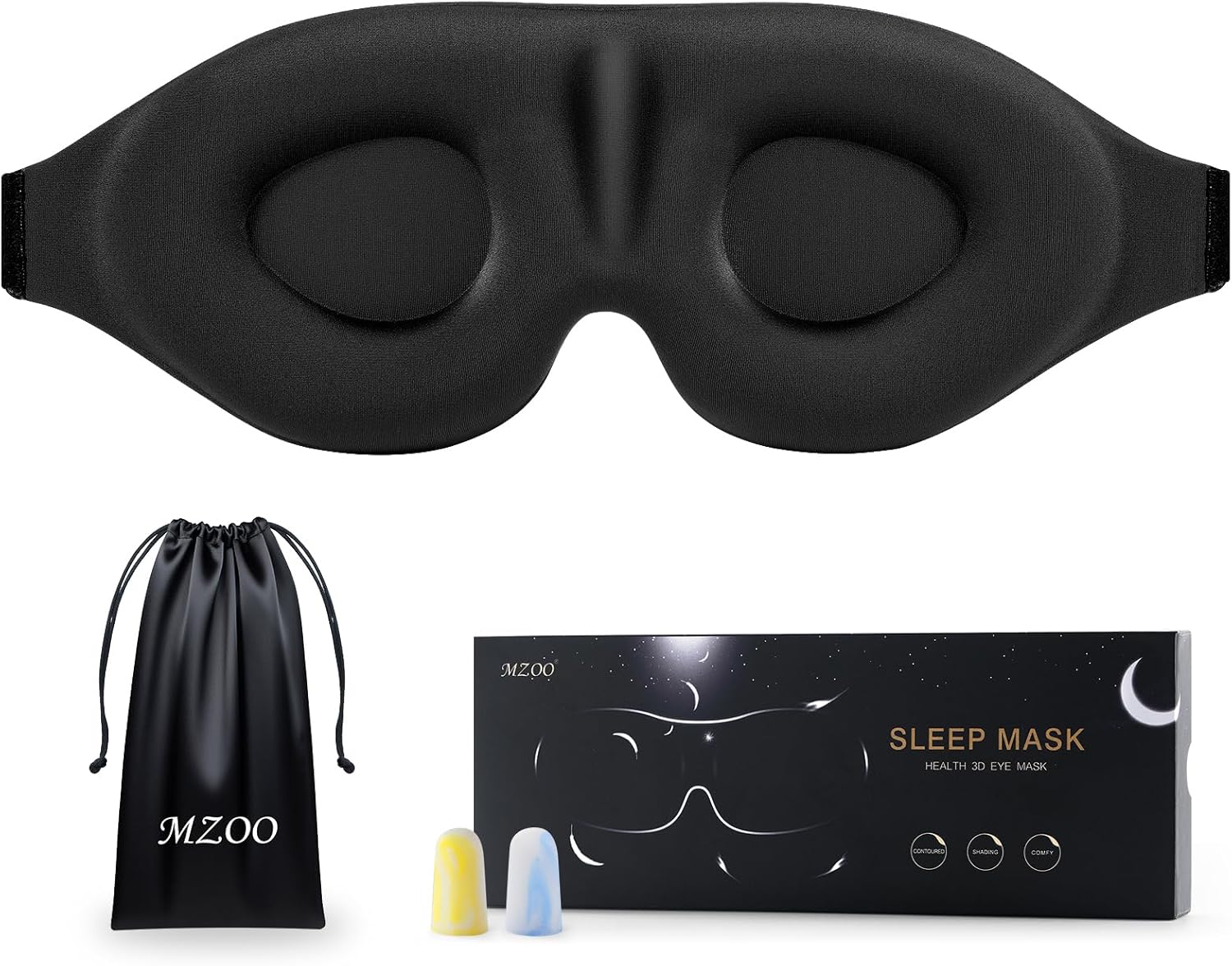
Recommended Product: MZOO Contoured Sleep Mask
The MZOO contoured sleep mask is designed to block unwanted light without placing pressure directly on the eyes. Its ergonomic shape provides comfortable darkness for sleeping at home, during travel, or while working night shifts.
Reducing nighttime light exposure may help support healthier melatonin production and improve overall sleep quality.
Check Price on AmazonWhy Sleep Quality Affects Every Part of Your Life
Better sleep influences much more than simply feeling rested.
Research has associated healthy sleep quality with improvements in:
- Attention and concentration.
- Learning and memory.
- Physical recovery.
- Immune function.
- Mood regulation.
- Metabolic health.
- Cardiovascular health.
- Daily productivity.
In many cases, people notice these improvements gradually as consistent sleep habits become part of their daily routine.
In Part 2B, we'll examine common myths about sleep quality, answer frequently asked questions, explain how to measure your sleep quality, summarize the key lessons, and provide scientific references, the medical disclaimer, SEO description, and article category.
Common Myths About Sleep Quality
As sleep science has advanced, many long-standing beliefs about sleep have been proven incomplete—or simply incorrect. Understanding the difference between myths and evidence can help you make better decisions for your health.
Myth 1: "If I Stay in Bed Longer, I'll Feel Better."
Spending additional time in bed does not necessarily improve recovery. If your sleep is repeatedly interrupted or you rarely reach deep and REM sleep, extending your time in bed may provide little additional benefit.
Myth 2: "Everyone Needs Exactly Eight Hours."
While seven to nine hours is the recommended range for most healthy adults, individual sleep needs vary. Genetics, age, activity level, overall health, and lifestyle all influence how much sleep a person requires.
Myth 3: "Snoring Is Always Harmless."
Occasional snoring may not indicate a serious problem, but frequent loud snoring—especially when accompanied by pauses in breathing or excessive daytime sleepiness—may be associated with obstructive sleep apnea and should be evaluated by a healthcare professional.
Myth 4: "Watching TV Helps Me Fall Asleep."
Although television may feel relaxing, bright light, changing sounds, and stimulating content may interfere with healthy sleep in some people. A calm bedtime routine is generally a better choice.
Modern sleep recommendations are increasingly based on objective measurements such as sleep efficiency, sleep architecture, and sleep continuity—not simply total sleep duration.
Can You Measure Sleep Quality?
You do not need a sleep laboratory to begin understanding your sleep.
Several practical indicators can help you evaluate whether your sleep is truly restorative.
Ask Yourself These Questions
- Do I usually fall asleep within about 15–30 minutes?
- Do I wake up feeling refreshed most mornings?
- Do I rarely wake during the night?
- Can I stay alert throughout the day without excessive caffeine?
- Do I maintain a consistent bedtime?
If you answered "no" to several of these questions, improving sleep quality may deserve more attention than simply increasing sleep duration.
Building a Better Nighttime Routine
One of the simplest ways to improve sleep quality is to create a predictable evening routine that signals your brain it is time to rest.
Example Evening Routine
| Time Before Bed | Recommended Habit |
|---|---|
| 2 Hours | Finish large meals and limit alcohol. |
| 90 Minutes | Reduce intense work and stressful activities. |
| 60 Minutes | Dim lights and reduce screen exposure. |
| 30 Minutes | Read a book, stretch gently, or practice relaxation. |
| Bedtime | Sleep in a cool, quiet, and dark room. |
Following the same routine consistently helps reinforce your body's natural circadian rhythm.
You do not need a perfect bedtime routine every night. Even small improvements practiced consistently can lead to meaningful long-term benefits.
Frequently Asked Questions
Can I improve sleep quality without sleeping longer?
Yes. Reducing nighttime interruptions, maintaining a regular schedule, limiting evening light exposure, and improving sleep hygiene may significantly improve sleep quality even if total sleep duration remains similar.
How much deep sleep do adults need?
The exact amount varies between individuals and tends to decrease with age. Rather than focusing on a specific number, it is generally more helpful to support healthy sleep habits that promote natural sleep architecture.
Is waking up once during the night normal?
Brief awakenings can occur naturally. However, frequent or prolonged awakenings that affect daytime functioning may indicate reduced sleep quality.
Do naps replace poor nighttime sleep?
Short naps may improve alertness, but they generally cannot fully replace the restorative benefits of healthy nighttime sleep.
Can exercise improve sleep quality?
Yes. Regular physical activity has consistently been associated with better sleep quality, although vigorous exercise immediately before bedtime may not be suitable for everyone.
Should I worry if my smartwatch shows little deep sleep?
Consumer sleep trackers provide useful estimates but cannot diagnose sleep disorders. If you consistently feel unrefreshed despite healthy sleep habits, discuss your symptoms with a healthcare professional.
Conclusion
For many years, the conversation about healthy sleep focused almost entirely on one number: the total hours spent asleep.
Modern sleep science paints a far more complete picture.
Sleep quality—the ability to experience uninterrupted, well-organized sleep cycles containing sufficient deep and REM sleep—plays a critical role in physical recovery, brain function, emotional well-being, immune health, and long-term wellness.
While sleeping seven to nine hours remains an important goal for most adults, those hours should also be restorative. A consistent bedtime, a comfortable sleep environment, limited evening light exposure, regular exercise, and healthy daily habits work together to support higher-quality sleep.
Improving sleep quality is not about finding a miracle product or following a complicated routine. It is about creating an environment in which your brain and body can perform the remarkable work they are designed to do every night.
Instead of asking, "How many hours did I sleep?" try asking, "How well did I sleep?" That single change in perspective may be one of the most valuable investments you can make in your long-term health.
Scientific References
- American Academy of Sleep Medicine. Healthy Sleep Habits.
- National Heart, Lung, and Blood Institute. Sleep Deprivation and Deficiency.
- Centers for Disease Control and Prevention. About Sleep.
- National Institute of Neurological Disorders and Stroke. Brain Basics: Understanding Sleep.
- Walker MP. Sleep-Dependent Memory Processing. Annual Review of Psychology.
- American Academy of Sleep Medicine & Sleep Research Society. Recommended Amount of Sleep for a Healthy Adult. Journal of Clinical Sleep Medicine.
- World Health Organization. Brain Health.
- National Institute on Aging. A Good Night's Sleep.
Medical Disclaimer
The information presented in this article is intended for educational and informational purposes only and should not be considered medical advice, diagnosis, or treatment. Sleep needs vary between individuals. If you experience persistent insomnia, excessive daytime sleepiness, loud snoring, breathing pauses during sleep, or other symptoms that interfere with daily life, consult a qualified healthcare professional or a sleep specialist.
The authors and publishers of this website assume no responsibility or liability for any injury, loss, or damage resulting from the use or misuse of the information provided in this article.


