Why You Wake Up Every Hour: Hidden Triggers & Fixes
Few things are more frustrating than finally falling asleep, only to wake up again an hour later. You check the clock, sigh, roll over, doze off – and then repeat the cycle all night. By morning, you feel as if you never slept at all.
That pattern has a name: sleep fragmentation – many brief awakenings that break what should be deep, continuous sleep. Even if your total time in bed looks reasonable, your brain is not spending enough time in the deeper stages that restore energy, mood, and metabolism.
Quick navigation
How healthy sleep should work
To understand why you wake up every hour, it helps to know what normal sleep looks like. During the night, your brain cycles through different stages:
- Light non-REM sleep – the transition into sleep; easier to wake up.
- Deep non-REM sleep (slow-wave sleep) – physically restorative; helps body repair and support immune and metabolic health.
- REM sleep – when most vivid dreams occur; important for memory, mood, and emotional processing.
A full sleep cycle takes roughly 90 minutes. You repeat this cycle 4–6 times per night. Brief awakenings between cycles are normal, but in healthy sleep you either do not remember them or they are short enough not to matter.
Problems begin when something repeatedly pulls you up toward full wakefulness: noise, light, pain, stress, a full bladder, breathing problems, or an uncomfortable bed. You may still “sleep” 7 hours on paper, but your brain keeps getting kicked out of deep and REM sleep.
Why waking every hour is a real problem
Research shows that fragmented sleep is less restorative than continuous sleep, even when the total sleep time is similar. In laboratory experiments, people whose sleep was repeatedly disrupted by brief arousals became sleepier, less focused, and more irritable the next day, with measurable declines in reaction time and mood compared with nights of consolidated sleep.1
Other studies link sleep fragmentation to:
- Daytime sleepiness and “brain fog”
- Worse attention, memory, and decision-making
- Higher blood pressure and cardiovascular strain
- Metabolic changes that can promote weight gain
- Lower quality of life and higher risk of accidents
In other words: if you are waking every hour, you are not just “annoyed” – your brain and body are paying a price.
Hidden triggers that make you wake every hour
Most people have more than one reason for their fragmented sleep. Below are common “hidden” triggers – some in your environment, some in your body, and some in your mind.
1. Your bedroom environment keeps nudging you awake
Your brain is constantly monitoring the environment for safety. Light, noise, and temperature can all bump you out of deeper stages of sleep into lighter sleep or full awakening.
- Light leaks – streetlights, early sunrise, LEDs from electronics. Even small amounts of light at night can disturb circadian rhythms and reduce sleep quality.
- Noise spikes – traffic, neighbors, a partner snoring, pets moving around, or notifications from devices.
- Temperature swings – being too hot or too cold. Reviews of sleep environments suggest an optimal bedroom temperature range roughly in the mid-teens to low 20s °C (mid-60s °F) with stable humidity for most people, with disruptions when the room is overheated, stuffy, or noisy.2–4
Studies linking the physical and social environment to sleep show that those exposed to more nighttime noise, light, and poor air quality tend to have more fragmented sleep and worse daytime functioning.5
2. Your body keeps sending “wake-up” signals
Common internal triggers include:
- Nocturia (needing to pee at night) – a leading cause of sleep fragmentation, especially in older adults. Nocturia is strongly linked to reduced sleep quality, fatigue, falls, and lower quality of life.6–8
- Pain or discomfort – back pain, joint pain, headaches, or uncomfortable pressure points from your mattress or pillow.
- Breathing problems – nasal congestion, allergies, or obstructive sleep apnea can repeatedly disrupt sleep and cause awakenings.
- Heartburn or reflux – lying flat can worsen reflux, triggering coughs or chest discomfort that wake you.
- Blood sugar swings – late sugary snacks or heavy alcohol can contribute to overnight glucose fluctuations, sometimes associated with night awakenings in sensitive individuals.
3. Your mind is “on guard” all night
If your mind is on high alert, small disturbances that you would normally sleep through suddenly become full awakenings. Cognitive models of insomnia show that racing thoughts, worry about not sleeping, and monitoring the clock increase physiological arousal and make sleep more fragile.9,10
Typical patterns:
- You wake up briefly after a sleep cycle, immediately look at the clock, and think, “Not again, I'm going to be exhausted tomorrow.”
- Your heart rate increases, stress hormones rise, and you become fully awake.
- The brain starts to associate the bed with frustration and wakefulness, making the next night even worse.
4. Daily habits that quietly fragment your sleep
Certain lifestyle choices make hourly awakenings much more likely:
- Caffeine too late in the day – for many people, caffeine in the afternoon or evening can still be active at night.
- Alcohol close to bedtime – may help you fall asleep faster but tends to fragment sleep in the second half of the night.
- Heavy, late meals – especially spicy or high-fat foods, can promote reflux and discomfort.
- Screen time in bed – bright light and emotionally stimulating content right before sleep keep the brain activated.
- Irregular schedule – large swings in bedtime and wake time disrupt the internal clock and make awakenings more likely.
Step-by-step fixes to stop waking every hour
There is no single magic trick, but a set of coordinated changes can dramatically reduce night awakenings. Think of them as layers:
Layer 1: Make your bedroom boring, dark, cool, and quiet
- Darkness: Use blackout curtains or an eye mask to block streetlights and early sun. Cover bright LEDs (router lights, chargers, standby lights).
- Noise: If you cannot control outside noise, masking it with a consistent neutral sound (white noise, fan sound, soft rain) can prevent brief noises from waking you.
- Temperature: Aim for a slightly cool room and breathable bedding. Studies suggest that a stable thermal environment and comfortable bedding improve sleep continuity and reduce awakenings.2,4,11,12
- Clutter & light discipline: Keep the bedroom primarily for sleep and intimacy. Avoid working, watching stressful news, or scrolling social media in bed.
Layer 2: Reduce body-based triggers
- Nocturia: Limit fluids 2–3 hours before bed, especially caffeine and alcohol. Talk with a doctor if you wake to urinate more than twice per night or if nocturia started suddenly.
- Pain: Consider supportive pillows, a more suitable mattress, gentle stretches before bed, or pain management discussed with a healthcare provider.
- Breathing: For nasal congestion, simple measures like saline rinses or appropriate allergy treatment (guided by a clinician) can help. Loud snoring, pauses in breathing, or choking at night are red flags for sleep apnea and deserve a professional evaluation.
- Reflux: Avoid lying flat immediately after large or spicy meals; consider elevating the head of the bed slightly and adjusting meal timing with a clinician’s advice.
Layer 3: Calm the “night watchman” in your head
Because worry and hypervigilance keep you waking and staying awake, mental strategies are essential:
- Reserve bed for sleep: If you are awake and frustrated for more than ~20–30 minutes, get out of bed, go to a dim, quiet room, and do something calm (reading a physical book, light stretching) until you feel sleepy again.
- Drop the clock: Turn your clock away from you so you cannot keep checking the time. Clock-watching magnifies anxiety and makes awakenings longer.
- Wind-down ritual: 30–60 minutes before bed, deliberately switch to low-light, calm activities: reading, journaling, a warm shower or bath, gentle breathing exercises.
- Write tomorrow down: If your mind races with tasks, write a short list earlier in the evening so your brain does not feel the need to “rehearse” everything at 3 a.m.
Layer 4: Clean up your daytime habits
- Regular sleep window: Go to bed and get up at roughly the same times every day, including weekends, to stabilize your circadian clock.
- Light in the morning: Get natural daylight exposure shortly after waking; it strengthens your body clock and can make night sleep more solid.
- Caffeine & alcohol rules: Many adults do best with no caffeine after lunchtime and minimal alcohol, especially in the last 3–4 hours before bed.
- Movement: Daily physical activity improves sleep depth and continuity, but avoid intense workouts right before bed if they rev you up.
Helpful Amazon products to support continuous sleep
You do not need gadgets to improve your sleep, but the right tools can make it easier to control light, noise, and comfort. Below are a few well-known product types from Amazon that fit naturally into the strategies above. Always read reviews and choose versions that match your budget and needs.
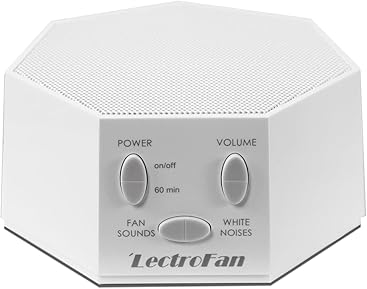
- Offers multiple non-looping fan and white noise sounds to mask traffic, neighbors, or a snoring partner.
- Helps keep your brain in deeper sleep by smoothing out sudden noise spikes that would otherwise wake you.
- Compact and travel-friendly, so you can take your “sound environment” with you.

- Designed to block outside light and reduce some noise, supporting deeper, more continuous sleep.
- Useful if streetlights, early sunrise, or nearby buildings keep waking you every cycle.
- Also helps stabilize bedroom temperature by reducing drafts and heat gain.

- Simulates a gentle sunrise to wake you more naturally and support a stable circadian rhythm.
- Can help you keep a consistent schedule, which reduces irregular awakenings at night.
- Includes natural sounds and dimmable light that you can also use for evening wind-down.

- Adds pressure relief if your current mattress causes pain or numbness that wakes you up.
- Cooling cover helps hot sleepers stay more comfortable, reducing heat-related awakenings.
- A way to upgrade comfort without buying a brand-new mattress.

- Helps keep bedroom humidity in a comfortable range, which can reduce dry air irritation.
- Useful if you wake with a dry throat, stuffy nose, or irritated airways at night.
- Smart controls and auto mode make it easier to “set and forget” once dialed in.
FAQ: Common questions about waking every hour
Q: Is it normal to wake up during the night?
A: Brief awakenings between sleep cycles are normal and most people do not remember them. What is not ideal is waking fully every hour, checking the clock, and struggling to fall back asleep. That pattern suggests that something is fragmenting your sleep and deserves attention.
Q: How long should I try to fall back asleep before getting out of bed?
A: Many insomnia experts recommend that if you feel wide awake for around 20–30 minutes, you should get out of bed and do something calm in low light. Return to bed only when sleepy again. This helps your brain re-learn that the bed is for sleeping, not for worrying.
Q: When should I see a doctor about my awakenings?
A: Seek professional help if you:
- Wake unrefreshed most days for more than a few weeks.
- Snore loudly, stop breathing, or gasp at night (possible sleep apnea).
- Have significant nocturia (needing to urinate frequently at night).
- Experience major mood changes, daytime sleepiness that affects safety, or unexplained weight or health changes.
Q: Can I fix hourly awakenings just by going to bed earlier?
A: Not usually. If your sleep is fragmented, adding more time in bed does not automatically give you more deep sleep. You need to work on sleep continuity: reducing triggers (light, noise, temperature, pain, stress) and stabilizing your circadian rhythm.
Q: How long does it take for these changes to work?
A: Some people notice improvements within a few nights once they have a darker, quieter, cooler room and a regular schedule. For others, especially if anxiety around sleep is strong, it can take several weeks of consistent habits before the brain fully “trusts” the new pattern. Think in terms of small continuous progress, not instant perfection.
Conclusion
Waking up every hour is not just annoying – it is a sign that your sleep is being fragmented and stripped of its restorative power. Research shows that fragmented sleep leaves people more tired, less focused, and more vulnerable to health problems, even when total time in bed looks acceptable.
The root causes are usually a mix of:
- Environmental triggers (light, noise, temperature, poor air)
- Body signals (nocturia, pain, reflux, breathing issues)
- Mental patterns (worry, clock-watching, racing thoughts)
- Lifestyle factors (caffeine, alcohol, irregular schedule)
The good news: each of these can be improved. By:
- Making your bedroom darker, quieter, and more comfortable,
- Managing medical triggers with appropriate care,
- Calming your mind with better wind-down routines and less clock-watching,
- And using targeted tools like white noise, blackout curtains, or cooling bedding when helpful,
you give your brain the chance to stay asleep for longer stretches and rebuild deep, restorative sleep cycles. It rarely changes overnight, but with steady adjustments, many people find that their “hourly awakenings” gradually fade into the background – replaced by longer, smoother stretches of real rest.
Disclaimer
Disclaimer: This article is for informational and educational purposes only and does not provide medical advice, diagnosis, or treatment. It is not a substitute for professional medical evaluation by a qualified healthcare provider. Always consult your doctor or another licensed health professional about your individual situation, especially if you have ongoing sleep problems, medical conditions, or are taking medications.
We do not guarantee specific results and we are not responsible for any decisions you make or actions you take based on the information in this article or for any consequences that may arise from their use.
Scientific references
- Stepanski EJ. The effect of sleep fragmentation on daytime function. Sleep. 2002;25(3):268–276. Available at: https://pubmed.ncbi.nlm.nih.gov/12003157/
- Bonnet MH, Arand DL. Clinical effects of sleep fragmentation versus sleep deprivation. Sleep Med Rev. 2003;7(4):297–310. Available at: https://www.sciencedirect.com/science/article/pii/S108707920190245X
- Caddick ZA, Gregory K, Arsintescu L, Flynn-Evans EE. A review of the environmental parameters necessary for an optimal sleep environment. Sleep Health. 2018;4(3):301–314. PDF via Fatigue Managers Network: link
- Billings ME, Hale L, Johnson DA, et al. Physical and social environment relationship with sleep health and disorders. Chest. 2020;157(5):1304–1312. Available at: https://pmc.ncbi.nlm.nih.gov/articles/PMC7268445/
- Wyndaele JJ. Nocturia and quality of life. Eur Urol. 2012;61(1):85–87. Available at: https://pubmed.ncbi.nlm.nih.gov/21963053/
- Ancoli-Israel S. The effect of nocturia on sleep. Sleep Med Rev. 2013;17(4):225–232. Available at: https://pmc.ncbi.nlm.nih.gov/articles/PMC3137590/
- Harvey AG. A cognitive model of insomnia. Behav Res Ther. 2002;40(8):869–893. Abstract at: https://pubmed.ncbi.nlm.nih.gov/12186352/
- Tang NKY, et al. Cognitive factors and processes in models of insomnia: a review. J Sleep Res. 2023;32(3):e13923. Abstract at: https://onlinelibrary.wiley.com/doi/10.1111/jsr.13923
- Shin M, et al. The effects of fabric for sleepwear and bedding on sleep at ambient temperature of 17°C. Nat Sci Sleep. 2016;8:121–131. Available at: https://pmc.ncbi.nlm.nih.gov/articles/PMC4853167/
- Li X, et al. How do sleepwear and bedding fibre types affect sleep? J Sleep Res. 2024;33(4):e14217. Abstract at: https://onlinelibrary.wiley.com/doi/10.1111/jsr.14217
- Caddick ZA, et al. Bedrooms and the vulnerability of sleepers to extreme heat. Atmosphere. 2022;13(11):1782. PDF at: https://heathealth.info/wp-content/uploads/atmosphere-14-01782.pdf
- Drew Barrymore sleep interview and cooling bedding example, reported in: “Drew Barrymore Says It Was Often 'Impossible' for Her to Get to Sleep – This Was Her 'Game-Changer'.” People. 2024. Summary at: https://people.com/drew-barrymore-shares-her-biggest-challenges-to-quality-sleep-and-what-was-a-game-changer-exclusive-8745676


