A Guide to Bed Sheets: Cotton, Bamboo, Linen & What’s Best for Sleep?
When people think about improving sleep, they often focus on mattresses, pillows, supplements, or evening routines. But there’s one element that touches your skin for 7–9 hours every night — your bed sheets. The fabric you sleep on affects temperature regulation, moisture absorption, skin comfort, nighttime awakenings, and your ability to enter deep sleep.
In fact, research shows that bedroom microclimate — temperature, humidity and fabric — plays a significant role in achieving deep, restorative sleep. Choosing the right fabric can dramatically improve comfort and reduce tossing & turning.
This guide breaks down the three most popular materials: Cotton, Bamboo, and Linen — and explains how each affects sleep quality, skin health, temperature regulation, and your overall nighttime experience.
The Science of Fabric & Sleep
Your body temperature naturally drops at night to initiate sleep. If your sheets trap heat or moisture, the thermoregulation process is disrupted — leading to awakenings, sweating, restlessness, and reduced deep sleep.
Scientific findings show:
- Natural fibers improve thermoregulation and deep sleep compared to synthetics.
- Bedding that maintains skin temperature around 31–35°C supports better slow-wave sleep.
- Breathable fabrics reduce nighttime awakenings and sweating.
- Moisture-wicking materials help maintain comfort for hot sleepers.
In simple terms: Sheets should keep you cool, dry, and comfortable for your body to stay in deep sleep longer.
Cotton Sheets: Pros & Cons
Cotton is the world’s most popular bedding fabric — and for good reason. It’s breathable, durable, and softens with use.
✔ Pros
- Highly breathable and temperature-neutral.
- Soft and comfortable for most people.
- Durability: high-quality cotton lasts years.
- Hypoallergenic options available.
- Easy to wash & maintain.
✘ Cons
- Absorbs moisture (not ideal for heavy sweaters).
- Cheaper cotton pills or wears out quickly.
- Wrinkles easily unless it's sateen weave.
Best cotton types:
- Egyptian cotton (luxury softness & durability)
- Pima cotton (smooth & long-lasting)
- Organic cotton (chemical-free, great for allergies)
Bamboo Sheets: Pros & Cons
Bamboo sheets have exploded in popularity due to their silky texture and cooling properties.
✔ Pros
- Excellent moisture-wicking (great for hot sleepers).
- Ultra-soft, smooth, almost “silky.”
- Highly breathable and cooling.
- Hypoallergenic and antibacterial.
- Eco-friendly (requires less water than cotton).
✘ Cons
- Higher price point.
- Some bamboo sheets require delicate washing.
- Quality varies between brands.
Recommended for: hot sleepers, sensitive skin, humid environments, people who love smooth “luxury hotel” textures.
Linen Sheets: Pros & Cons
Linen is one of the oldest fabrics in the world — prized for its breathability and natural luxury. It’s made from flax fibers.
✔ Pros
- Best-in-class breathability.
- Highly durable (lasts up to 20 years).
- Natural texture that softens over time.
- Moisture-wicking for hot climates.
- Luxurious “relaxed” look.
✘ Cons
- Most expensive natural fiber.
- Feels textured (not everyone likes).
- Wrinkles easily (part of its charm).
Ideal for: warm climates, hot sleepers, people who love premium textures.
Which Sheets Do Celebrities Prefer?
Jennifer Aniston
In several interviews, she has mentioned the importance of breathable bedding and uses natural fibers to maintain comfort and proper thermoregulation at night (source below).
Oprah Winfrey
Oprah has publicly recommended high-end natural-fiber sheets in her annual “Favorite Things,” highlighting how bedding fabric dramatically improves sleep comfort (see scientific sources).
These examples show a trend: celebrities who prioritize wellness tend to choose natural, breathable fabrics like cotton, linen, or bamboo.
Top 5 Bed Sheet Picks from Amazon
1. Mellanni Queen Cotton Bed Sheet Set
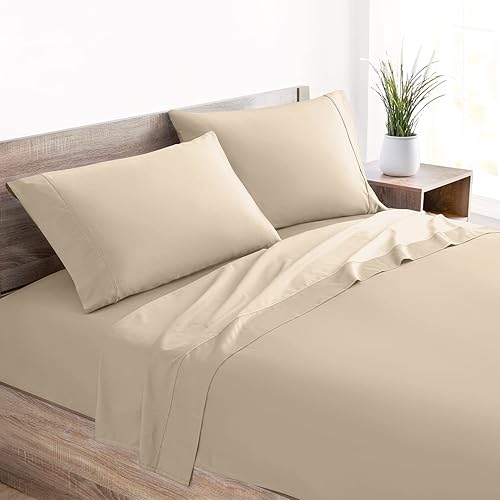
Soft, breathable, a perfect everyday cotton option.
View on Amazon2. Hotel Sheets Direct Bamboo Sheets

Ultra-soft and cooling — excellent for hot sleepers.
View on Amazon3. LBRO2M 100% Linen Sheet Set

Premium linen fabric, naturally breathable and elegant.
View on Amazon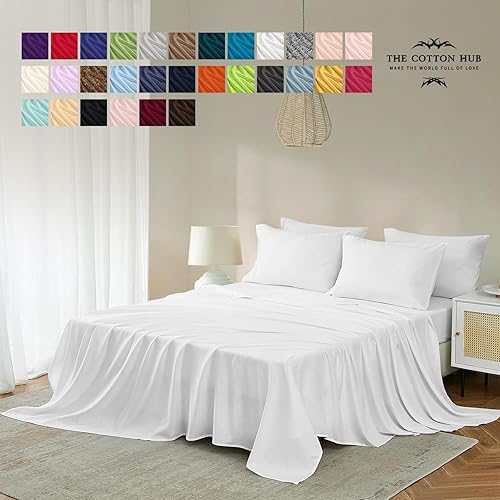
5. Amazon Basics Lightweight Microfiber (budget alternative)

Not natural fiber, but a great affordable option.
View on AmazonFAQ
Which fabric is best for hot sleepers?
Bamboo or linen — both excel at temperature control.
Which fabric is softest?
Bamboo tends to feel the most silky and smooth.
Which lasts longest?
Linen — it can last 15–20 years.
Best budget option?
Good cotton set or microfiber alternative.
Scientific Sources
- Fabric thermoregulation and sleep quality
- Bedroom microclimate & sleep physiology
- Natural fibers & comfort temperature zones
- Effects of bedding material on sleep
- Jennifer Aniston bedding habits
Conclusion
Cotton, bamboo, and linen all offer unique advantages — and the best choice depends on your body temperature, skin sensitivity, and desired texture. Natural fabrics support thermoregulation, reduce overheating, and help maintain deeper sleep. Upgrading your sheets can be one of the simplest ways to improve nightly recovery and comfort.
Disclaimer
Deep Sleep Secrets provides information for educational purposes only. It should not be considered medical advice. Always consult a qualified healthcare provider before making health or product decisions.


