Do Plants in the Bedroom Improve Sleep or Not?
Plants in the bedroom are often associated with calmness, fresh air, and better sleep. You have probably heard that certain plants “produce oxygen at night” or “clean the air while you sleep.” But how much of this is actually true?
Do plants really improve deep sleep, or is it just a popular myth driven by aesthetics and wellness trends?
In this article, we break down the science, psychology, and real effects of plants in the bedroom — so you can understand whether they truly help your sleep or not.
Why the Idea Became Popular
The belief that plants improve sleep largely comes from two ideas:
- Plants produce oxygen
- Plants purify indoor air
Both are technically true — but the reality is more nuanced.
During the day, plants convert carbon dioxide into oxygen through photosynthesis. At night, however, most plants switch to respiration, meaning they consume oxygen and release carbon dioxide.
This raises an important question: can plants actually improve the air quality enough to affect sleep?
Do Plants Improve Air Quality at Night?
Scientific research shows that while plants can remove certain pollutants, the effect in a typical bedroom is minimal.
A famous NASA study demonstrated that plants can remove volatile organic compounds (VOCs) from the air in controlled environments. However, later analyses concluded that you would need dozens or even hundreds of plants in a small room to achieve a meaningful air-cleaning effect.
In other words, one or two plants will not significantly change oxygen levels or remove enough toxins to directly improve sleep.
So if plants do not improve sleep through air purification, what actually matters?
The Psychological Effect of Plants
This is where things become interesting.
Even though plants may not dramatically change air chemistry, they do affect the brain through visual and emotional pathways.
Research in environmental psychology shows that exposure to natural elements reduces stress, lowers heart rate, and promotes relaxation.
This effect is known as “biophilia” — the human tendency to feel calm in the presence of nature.
When you place plants in your bedroom, you are not just decorating — you are signaling safety and calm to your nervous system.
Plants & Stress Reduction
Stress is one of the biggest enemies of deep sleep. Even low-level stress can keep your brain in a semi-alert state.
Studies show that indoor plants can:
- Reduce perceived stress
- Improve mood
- Lower blood pressure
- Create a sense of comfort
This psychological relaxation can indirectly improve sleep quality.
Do Any Plants Help Sleep More Than Others?
Some plants are often recommended for bedrooms due to their calming properties or unique biological traits.
Examples include:
- Snake plant (Sansevieria)
- Lavender
- Aloe vera
- Peace lily
It is important to understand that their benefit is mostly psychological, not physiological.
Real-Life Insight
Interior designers and sleep specialists often include plants in bedroom environments not for oxygen, but for visual calmness.
High-end hotels and wellness spaces frequently use greenery in rooms to create a relaxing atmosphere that helps guests unwind and sleep better.
This approach is based on behavioral science rather than air purification.
Potential Downsides of Plants in the Bedroom
Plants are not always beneficial. In some cases, they can negatively affect sleep:
- Overwatering can lead to mold growth
- Some plants may trigger allergies
- Too many plants can create visual clutter
Sleep environments should be simple and calm. Too many objects — even natural ones — can increase mental stimulation.
When Plants Actually Help Sleep
Plants can support sleep if they are used correctly:
- Minimal number of plants (1–3)
- Soft, natural colors
- Placed in non-distracting positions
- Combined with good lighting and ventilation
Think of plants as part of the environment — not a solution by themselves.
Practical Tools That Support Sleep Environment

Indoor Snake Plant
A low-maintenance plant that adds calm visual balance to your bedroom without requiring much care.
This type of plant is commonly recommended because it is simple, subtle, and does not overwhelm the space.
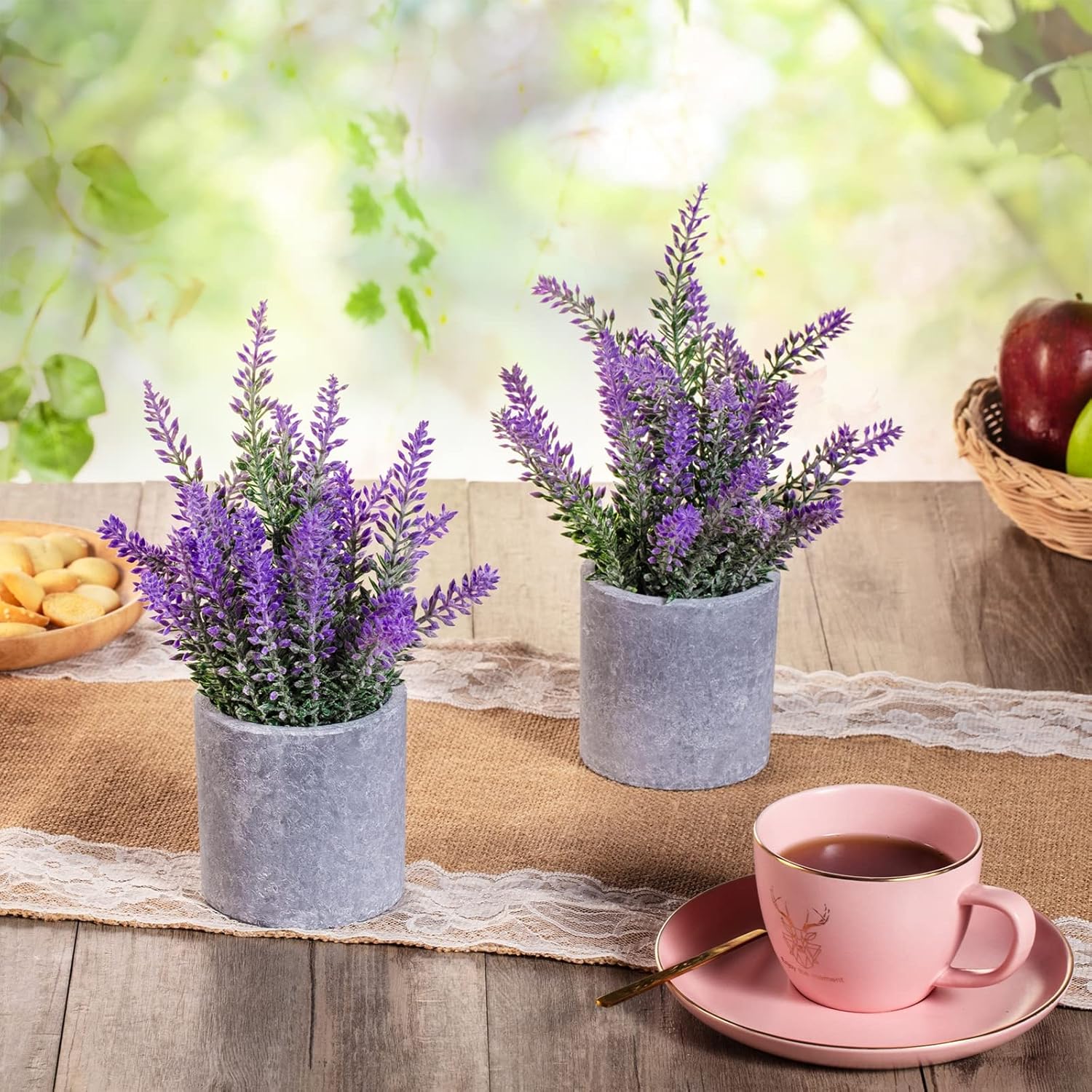
Lavender Plant
Associated with relaxation and commonly used in sleep environments to promote calmness.
Lavender is often used in sleep-related environments because of its calming association.
The Bigger Picture
Plants alone will not fix your sleep.
However, they can support a calming environment when combined with:
- Consistent sleep schedule
- Low evening light
- Cool room temperature
- Minimal noise
Sleep is influenced by multiple factors, and environment plays a key role.
Conclusion
So, do plants in the bedroom improve sleep?
The scientific answer is: not directly.
They do not significantly change oxygen levels or air quality in a typical bedroom.
But psychologically, they can help create a calmer, more relaxing environment — and that can improve sleep indirectly.
Used correctly, plants are not a miracle solution, but they are a valuable part of a well-designed sleep space.
Disclaimer
This article is for informational purposes only. We are not responsible for any actions taken based on this information. Always consult a healthcare professional for medical advice.
Conclusion
Plants can support relaxation, reduce stress, and improve the visual comfort of your bedroom. While they do not directly improve deep sleep through air purification, their psychological impact makes them a useful addition to a sleep-friendly environment.


