Natural Ways to Boost Deep Sleep Without Supplements
Deep sleep is the most physically restorative stage of sleep, yet it is also the most fragile. Many people search for supplements to improve it, but science shows that deep sleep is primarily shaped by behavior, environment, and circadian alignment—not pills.
This article explores natural, evidence-based ways to boost deep sleep without supplements. These strategies target the root biological systems that control sleep depth, stability, and recovery.
Why Deep Sleep Matters More Than Total Sleep Time
Deep sleep, also known as slow-wave sleep (SWS), is characterized by synchronized brain waves, reduced heart rate, and lowered cortisol levels. During this stage, the body prioritizes tissue repair, immune regulation, and memory consolidation.
Research shows that insufficient deep sleep is associated with impaired glucose regulation, increased inflammation, reduced cognitive performance, and accelerated aging markers—even when total sleep duration appears adequate.
Importantly, deep sleep declines naturally with age, but lifestyle factors can significantly accelerate or slow this process.
The Core Biology Behind Deep Sleep
Deep sleep is controlled by the interaction of two systems:
- Sleep pressure — the buildup of adenosine during wakefulness
- Circadian rhythm — the internal clock regulating sleep timing
When these systems are aligned, deep sleep occurs naturally in the first part of the night. When they are disrupted, deep sleep becomes shallow, fragmented, or absent.
Natural Strategy #1: Anchor Your Wake-Up Time
Consistent wake-up time is one of the strongest predictors of deep sleep quality. Studies show that irregular wake times disrupt circadian signaling and reduce slow-wave sleep intensity.
Even on weekends, keeping wake time within 60–90 minutes of your weekday schedule preserves circadian stability and enhances deep sleep pressure the following night.
Real-world example
Research on elite athletes has shown that consistent sleep schedules—rather than longer sleep duration alone—are associated with better recovery and performance markers. Sleep regularity was more predictive of deep sleep quality than total hours slept.
Natural Strategy #2: Optimize Evening Light Exposure
Light is the most powerful environmental signal for your brain. Exposure to artificial light in the evening delays melatonin release and suppresses deep sleep.
Studies demonstrate that even moderate indoor lighting before bedtime can significantly reduce slow-wave sleep and increase nighttime awakenings.
- Dim lights 90 minutes before bed
- Avoid overhead lighting at night
- Reduce screen exposure after sunset
Natural Strategy #3: Lower Core Body Temperature
Deep sleep is strongly linked to a drop in core body temperature. The brain initiates deep sleep when it detects effective heat loss.
Cooling strategies that enhance heat dissipation consistently improve deep sleep duration and continuity.
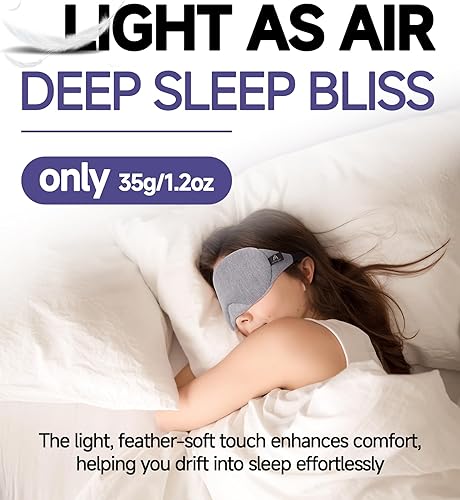
Mavogel Cotton Sleep Mask
Blocking artificial light at night helps preserve natural melatonin production and improves deep sleep duration, especially in urban environments.
Natural Strategy #4: Strength Training & Sleep Pressure
Resistance training increases sleep pressure and has been shown to enhance slow-wave sleep more effectively than aerobic exercise alone.
Studies indicate that evening resistance training (completed at least 3 hours before bed) can increase deep sleep duration without delaying sleep onset.
Case insight
Research involving middle-aged adults found that participants who engaged in regular strength training experienced measurable increases in deep sleep, even without changes in total sleep time.
Natural Strategy #5: Bedroom Acoustics & Noise Stability
Even low-level, irregular noise can fragment deep sleep. The brain continues to monitor the environment during sleep, and unpredictable sounds increase micro-arousals.
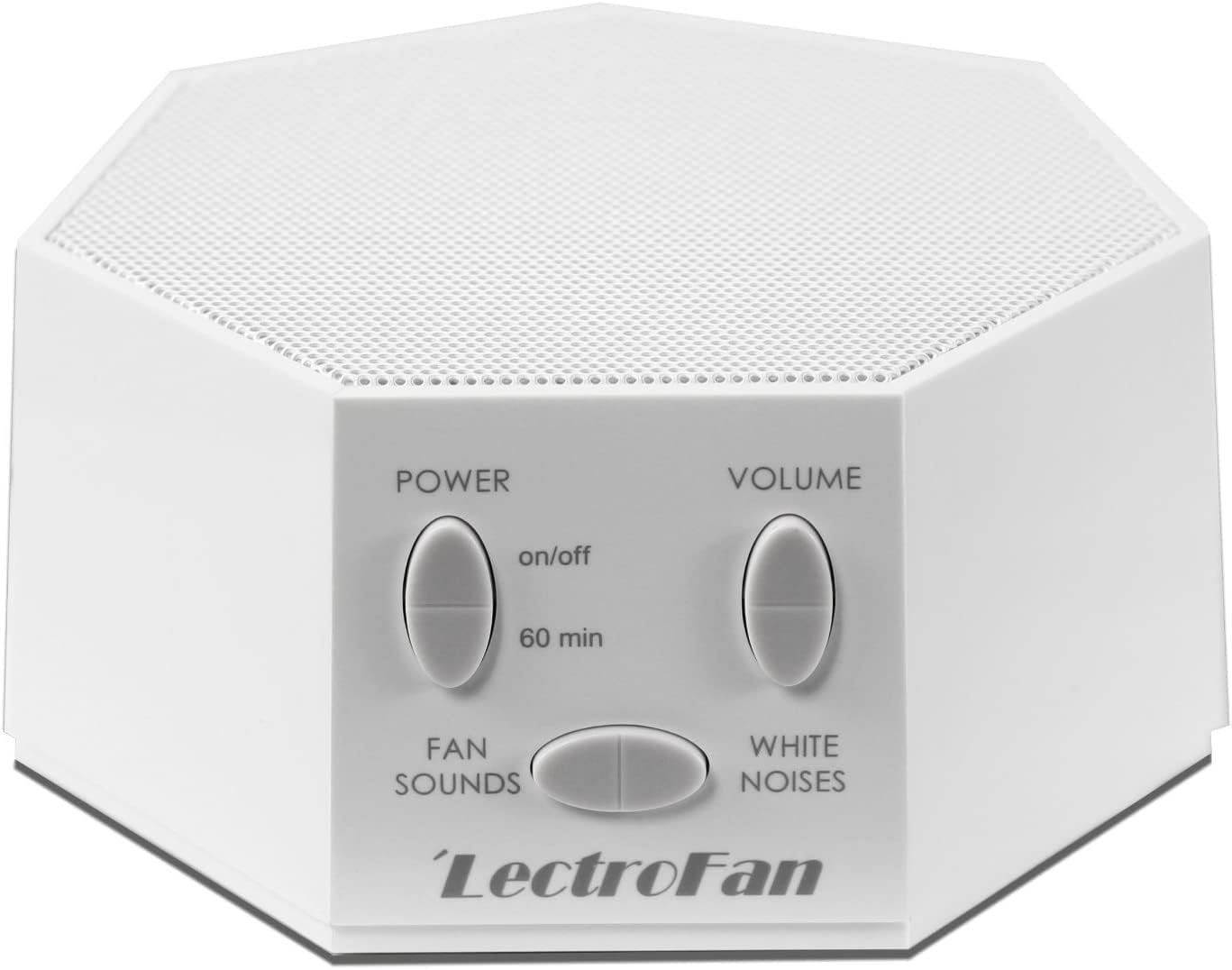
LectroFan High Fidelity White Noise Machine
Consistent background noise reduces micro-awakenings caused by sudden environmental sounds and supports uninterrupted deep sleep cycles.
Natural Strategy #6: Cognitive Offloading Before Bed
Pre-sleep cognitive activity is a major enemy of deep sleep. Rumination activates the sympathetic nervous system, preventing full sleep depth.
Clinical trials show that writing down worries and next-day plans before bed significantly improves sleep efficiency and slow-wave sleep.

LINENSPA Gel Infused Memory Foam Topper
Lowering core body temperature during sleep is strongly linked to increased time spent in deep slow-wave sleep.
Natural Strategy #7: Morning Light Exposure
Morning light anchors circadian rhythm and indirectly enhances deep sleep at night. Exposure to bright light within the first hour of waking increases nighttime melatonin amplitude.

EPABO Contour Memory Foam Pillow
Proper cervical spine alignment reduces nighttime discomfort and prevents frequent position changes that interrupt deep sleep.
Natural Strategy #8: Bedroom Darkness & Visual Simplicity
Light intrusion during sleep reduces slow-wave sleep. Even dim light exposure can increase nighttime arousals.

Philips Warm Glow LED Light Bulb
Warm-spectrum lighting in the evening reduces circadian disruption and supports the natural transition into deep sleep.
Conclusion
Deep sleep is not something you force—it emerges when biology is supported. By aligning circadian rhythm, reducing environmental disruption, and lowering cognitive and physiological arousal, deep sleep improves naturally.
Supplements may mask symptoms, but these natural strategies address the core mechanisms that determine sleep depth and quality.
Disclaimer
Disclaimer: This article is for informational purposes only and does not constitute medical advice. We are not responsible for any actions taken based on this information. Always consult a qualified healthcare professional regarding sleep or health concerns.
Scientific References
- Diekelmann S, Born J. The memory function of sleep. Nature Reviews Neuroscience.
- Walker MP. The role of sleep in cognition and emotion. Annals of the New York Academy of Sciences. 2009.
- Gooley JJ et al. Exposure to room light before bedtime suppresses melatonin. J Clin Endocrinol Metab. 2011.
- St-Onge MP et al. Sleep duration and quality in relation to energy metabolism. Sleep. 2016.
- Irwin MR. Sleep and inflammation. Psychiatric Clinics of North America. 2015.


